1. Assessment
The team inspects the cabin, finds where fluids reached and decides what can be cleaned and what must come out.
Gurnee, IL · Lake County
Blood, vomit, urine or waste in a vehicle in Gurnee is a job for protective gear and proper disposal. Call (877) 812-4220 and cleaners will contain the cabin, clean it and haul the waste.
If anyone is in danger, call 911 first. For a suicide crisis, call or text 988.
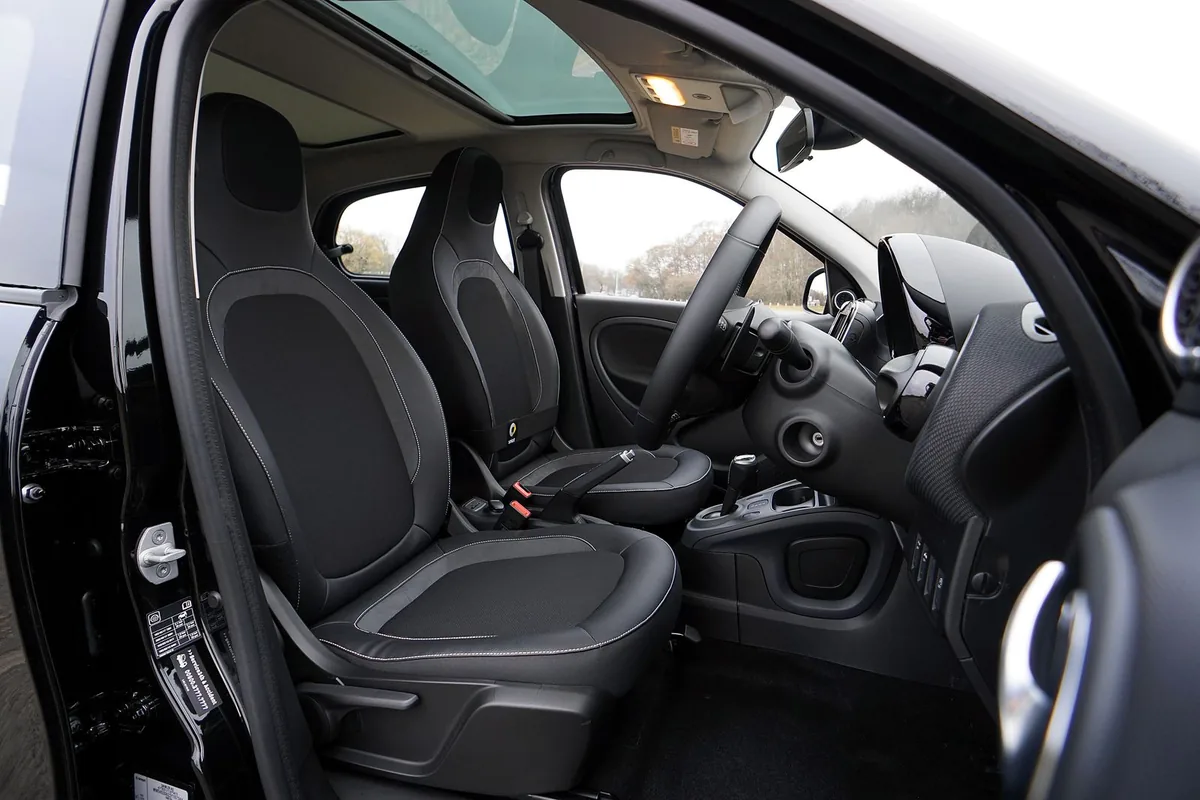
Vehicle biohazard cleanup is the safe removal and disinfection of blood, body fluids and other contaminants from the inside of a car, truck, van or bus. Cleaners treat the fluids as possible carriers of infectious germs.
You can get hazmat car cleaning and disinfection throughout Lake County, including Gurnee, by calling Gurnee Biohazard Cleanup Help. Drivers and owners call when contamination is too deep or too upsetting to deal with alone.
Even with milder July highs near 82 degrees in Gurnee, a parked car traps heat, so fluid odors can still build quickly. Tow yards and body shops in Waukegan, about 10 minutes from Gurnee, often hold vehicles until they are released and cleaned.
What vehicle biohazard cleanup covers:
The team inspects the cabin, finds where fluids reached and decides what can be cleaned and what must come out.
Cleaners put on PPE, close the doors and windows as needed and protect nearby surfaces and people.
Contaminated parts that cannot be saved come out. Surfaces that stay are cleaned layer by layer.
Waste is packed for regulated disposal. A final visual check makes sure nothing was missed.
Most vehicle biohazard cleanup jobs in Gurnee, IL cost between $500 and $5,000, based on published cost guides.
Replacing seats, carpet or trim after removal is usually separate from the cleanup itself, so ask what the quote covers.
| Type of job | Typical range |
|---|---|
| Vehicle biohazard cleanup | $500 - $5,000 |
Estimates only, not a quote. Sources: BioCleaners Directory. Price drivers include type of interior materials, how serious the event was, time since the event, air system decontamination. Call (877) 812-4220 to talk through the job.
It may, or it may not. It depends on whether an insurer, a salvage record or a title brand noted the contamination. Ask the seller, the insurer or the title office, and keep cleaning records.
A salvage vehicle is one an insurer has declared a total loss. Some are also tagged for contamination when blood or fluids were involved. Labels and rules vary, so ask the insurer or the state title office what applies to a specific vehicle.
Cleaning a biohazard car starts with protection: gloves, eye protection and a mask. Contaminated upholstery and padding are removed, hard surfaces are cleaned, and an EPA-registered disinfectant is used by the label. Heavy contamination is best left to a vehicle biohazard cleanup team.
A vehicle where a death occurred is cleaned only after law enforcement or the medical examiner releases it. The team removes contaminated materials, disinfects and treats odor, which can settle into seats, headliner and vents.
Yes. Waste is lifted with protection, soaked materials are removed and surfaces are disinfected. Urine travels deep into foam, so seats may need to be taken out or replaced if the smell remains.
It usually means the interior was contaminated by blood, body fluids or similar material, and cleaning or repair is needed. Insurers and sellers may use the phrase when a vehicle was exposed to hazardous contamination.
Call (877) 812-4220 and describe what is in the vehicle.
Call (877) 812-4220